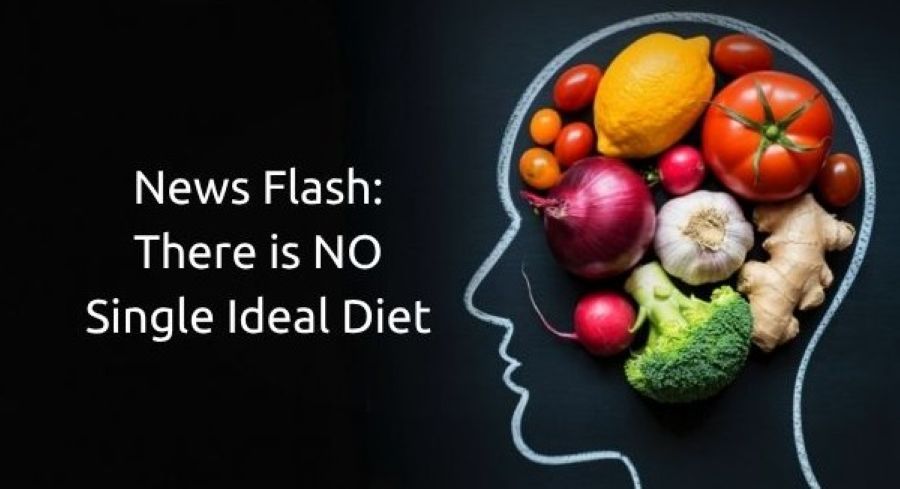
It’s quite a human thing to want to find the ONE answer. The clear choice. The proven single solution. According to the article, Precision Nutrition for Better Clinical Outcomes, “In routine practice, however, physicians have increasingly observed that patients with the same caloric intake and physical activity can show different outcomes in terms of weight change, glycemic control, or lipid profile.” Really, is this surprising news? How is this not an obvious statement instead of “increasingly observed?”
You probably aren’t shocked by this idea. For many of us, a sibling, cousin, workmate, friend, and/or TikTok video have at some point told us about the amazing diet they are doing, and it sounds so promising. Keto, paleo, intermittent fasting, vegan, carnivore: these are the popular diets of today. Diets of the past include Atkins, Master Cleanse, grapefruit, cabbage soup, point system (calorie counting), and ummm wine and eggs diet. That last one? For real. And, don’t try it. Written about in the book, Sex and the Single Girl, in 1962, Vogue published it in 1977, and this woman tried it in 2022 with a warning not to go for it unless you like feeling sad, stupid, and questioning your life choices.
Though I think we’re moving in the right direction toward personalized nutrition with this “precision nutrition,” does it really need to be complicated by blood tests, urine tests, genetic tests, microbiome tests, and AI to try to interpret all that varied data? What about the fact that you may have a gene that indicates the tendency toward something but that gene is not active, either because it’s a recessive one that isn’t impacting you or because it’s “switched off?” What about the fact that we still don’t yet understand that much about the microbiome or our genes? We’re still at the we-don’t-yet-know-what-we-done-know stage. This precision nutrition is interesting and perhaps worth exploring. But it’s not yet accessible for most of us.
So, what can you do?
Personalized Nutrition
Obviously, I’m going to direct you toward Traditional Chinese Medicine (TCM) principles. This complete medical system has been around for thousands of years. It offers ways to analyze and assess individuals to help determine a TCM diagnosis that can point to not just treatments but also lifestyle changes, including what you eat.
The TCM system can help you understand which foods have a tendency toward which actions in your body.
Food Temperature
Warming foods may improve circulation, address slow digestion and bloating, reduce water retention, reduce some arthritic pain, and warm you if you feel chilled. Heating/warming foods include spicy foods (though if you sweat, you’ll cool down), ginger, cinnamon and other chai spices, pumpkin, squash, many root vegetables, beef, poultry, oats, and quinoa. Very generally, warming foods are often grown in the cooler seasons, are found below ground, and may be “warming” colours like red, orange, or yellow. Keep in mind, these are not hard, fast rules. You may also note how you feel when you eat a food.
Cooling foods may address excessive sweating, thirst, dryness, constipation or strong-smelling bowel movements, excessive hunger, inflammation, red rashes, high blood pressure, and more, if they are caused by excessive “Heat” in the body. Cooling foods include many green vegetables, tomato, melons, citrus fruit, barley, millet, wheat, tofu, chicken egg, seaweeds, green tea, and peppermint. Again, very generally, cooling foods are the opposite of the above with foods grown in the warmer seasons, found above ground, and may be “cooling” colours like green and blue.
How you process the food also impacts the temperature, so raw is much cooler than roasted. Keep in mind that raw is also harder to digest than cooked because your body has to do more of the breaking down that cooking would do.
Food Flavour
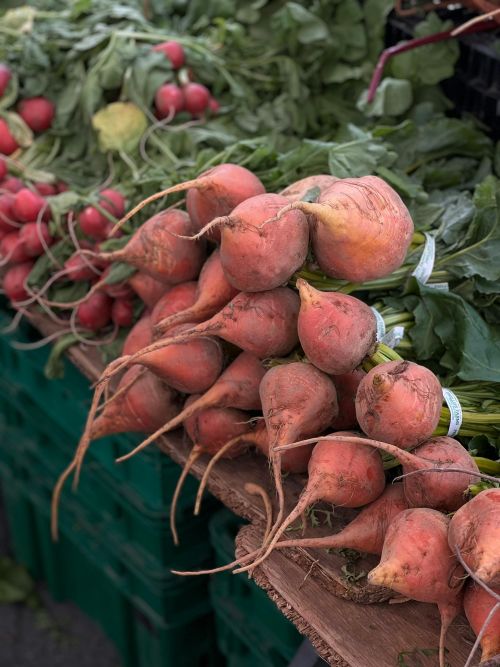
There are also 6 flavours (including “bland”) that have actions on your body, the same way that herbs do. For example, sweet foods like beets, mango, wheat, and chicken are nourishing, but in excess can cause sluggishness. Bitter foods like arugula, dandelion leaf, bitter melon, rye, and coffee may help reduce inflammation and fight infections, but too much can be drying or cause diarrhea.
This is partly why eating a variety of foods is beneficial. Additionally, it’s worth noting that most foods have more than one flavour, so some actions will be more dominant than others.
Understanding Foods
The goal of this isn’t for you to have to memorize which foods have which temperature, which flavour(s), and the other things by which we categorize foods in TCM (direction of travel, organ system preference, etc.). That would be harder than calorie counting, and even less useful.
But before we get into how to improve your condition with food, let’s talk a little about you.
Your TCM Diagnosis
The good news is that you have already been living in your body for some time, so you have some information about how you feel, your tendencies toward strengths and challenges, and which foods you like and feel good with and which ones you don’t. You have a starting point, which though it may feel a long way away from your finish line, is not at zero.
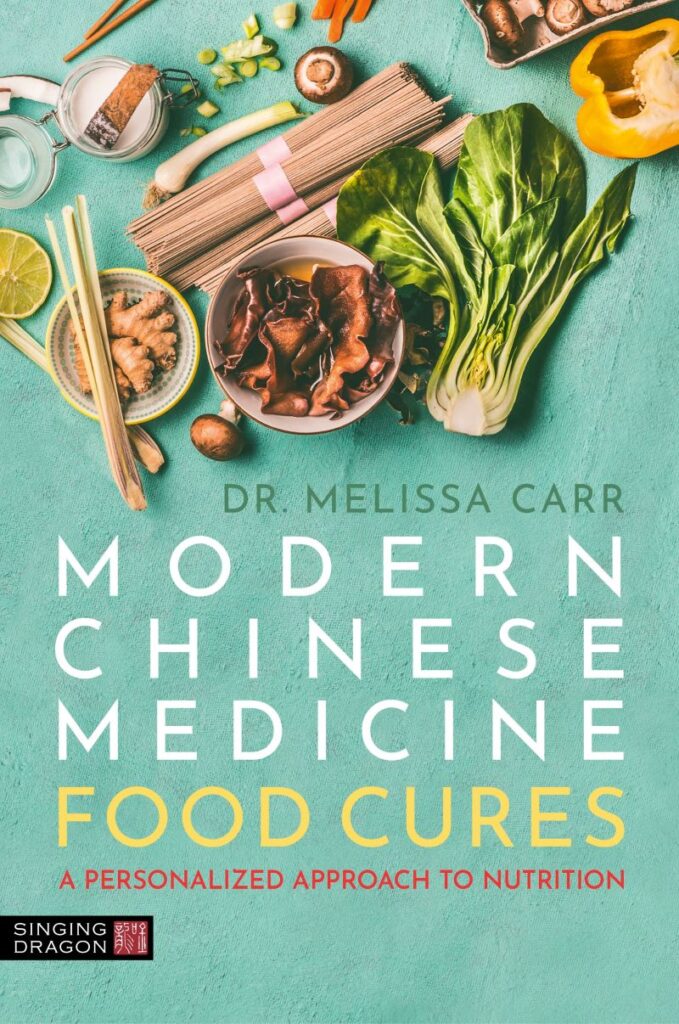
This is why I’ve written a book on TCM food cures (shi liao) that is meant for the public. I wanted to be able to provide my patients with recommendations they can follow even when they don’t come in to see me for a consultation. Modern Chinese Medicine Food Cures: A Personalized Approach to Nutrition is my answer to “What should I eat for dinner tonight?” While it’s not a recipe book or diet book, and I can’t teach you the depths of TCM in one simple book, there are some recipes and some specific food recommendations for some common health issues. The fun stuff, I think, is in taking the quiz to determine which organ system Element(s) is/are dominant for you, and checking out the recommendations based on your quiz answers.
Putting It Together
If you want some takeaways now, here are some practical tips for how to move toward better health with the nutritional choices you make:
- Shop wisely. If you shop in a standard large grocery store, spend most of your shopping time at the perimeters. The aisles contain most of the more processed foods. If you have an option, go to your local farmers’ market for fresh produce. That’ll make it easy to choose mostly whole foods with a focus on foods that are locally and seasonally available. Choose fresh over frozen, frozen over canned. But canned vegetables are better than no vegetables; just be mindful of the sodium content, especially if you have high blood pressure.
- Eat a variety of foods. Find a simple recipe online for a food you’ve heard about or are curious about, and give it a try. I did this with artichoke. I had never bought an actual artichoke before, just the kind in a jar: https://activetcm.com/artichoke-for-detoxification/. I didn’t even need a recipe. Just added it to my food. You can also just try adding a new spice or herb, like I did with this saffron stewed chickpeas meal: https://activetcm.com/saffron-stewed-chickpeas-healthy-dinner-recipes/
- Cook your foods according to the temperature you feel your body needs (more soups and stews if you tend toward cold; more steamed or even some blended or juiced if you tend toward heat), your environmental temperature (more cooling foods in the summer, more warming foods in the winter), and how strong your digestion is (less raw foods if you have poor digestion).
- Eat mindfully to savour your food. Can you recognize that carrots have a sweet flavour? They are even sweeter tasting when you roast them. Can you taste sour in not just citrus fruits, but also in fermented foods like sauerkraut and yogurt, as well as in many berries like raspberries and blackberries? Can you feel the warmth of roasted root vegetables like yams and the coolness of a raw green apple?
- In eating mindfully, you’ll have a chance to chew your food more, and that in itself improves its digestibility, as you are providing more surface area for your stomach acid and digestive enzymes to break down the food.
It might not be terribly satisfying when someone tells you there is no ONE recipe book that you should follow for life that will fit you, your family, your friends, and everyone else. But hopefully you’ll feel more empowered that making good food choices for you will be helpful. And it doesn’t need to be done via complicated and expensive tests.
If you want a more detailed direction of foods that may be helpful for you, book a consultation.