
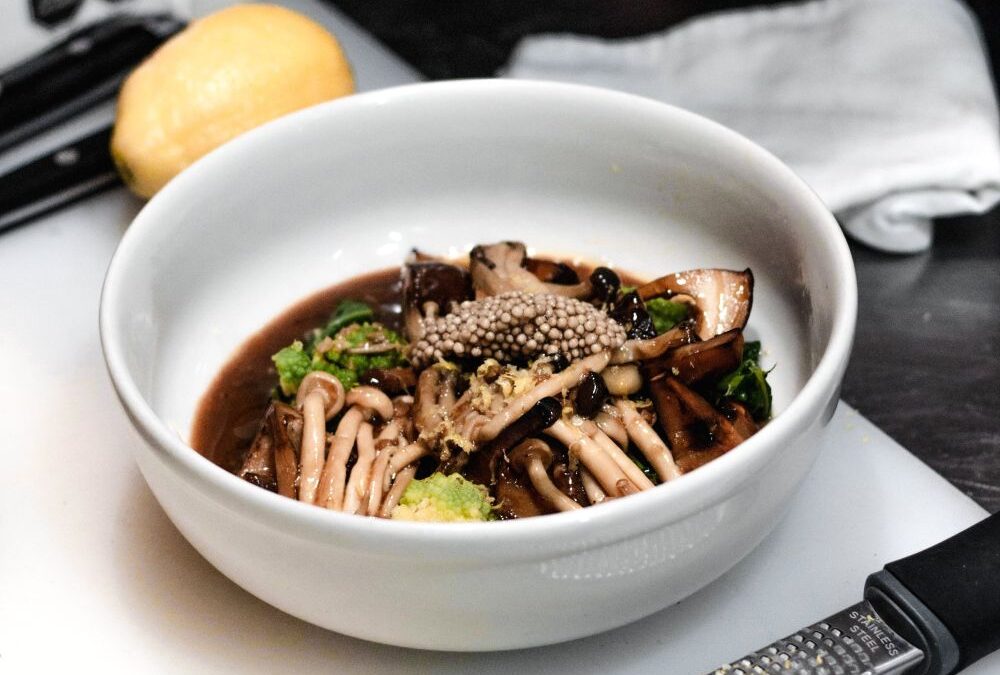
Mushrooms have been enjoyed for centuries, not only for their delicious flavours and versatility in the kitchen but also for their potential health benefits. From the familiar button mushroom to traditional Chinese medicinal mushrooms such as reishi and cordyceps, these fungi offer an interesting connection between everyday nutrition and the principles of Traditional Chinese Medicine (TCM).
You may have also noticed mushrooms appearing more frequently on social media, particularly in recipes promoting glowing skin, hydration, and healthy aging. One popular example is the Tremella Snow Lotus recipe, a beauty-inspired dessert featuring ingredients traditionally valued for their nourishing properties.
But are all mushrooms right for everyone? And what does TCM have to say about incorporating them into your diet?
Everyday Mushrooms: Eat More
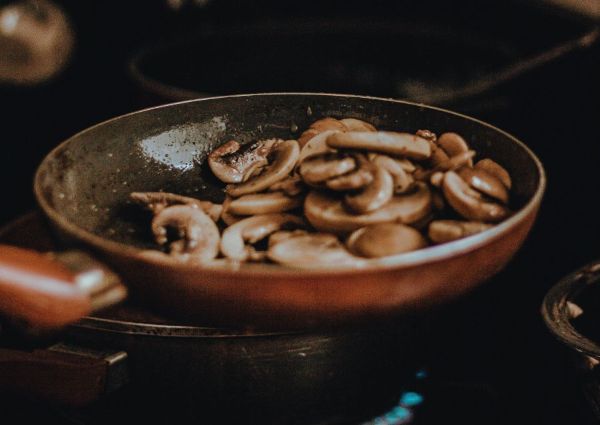
Culinary mushrooms are a wonderful addition to a balanced diet. They provide fibre, B vitamins, and minerals. In addition, some varieties contain useful amounts of antioxidants and other bioactive compounds like beta glucans and other polysaccharides, which have been researched for their health benefits such as supporting a healthy immune response, lowering LDL (“bad”) cholesterol, helping regulate blood sugars, and supporting the gut microbiome. Certain mushrooms exposed to ultraviolet light are also a source of vitamin D.
One of the lesser-known benefits of mushrooms is their content of ergothioneine, a naturally occurring antioxidant sometimes called the “longevity vitamin.” Found in mushrooms such as oyster, porcini, shiitake, maitake, and enoki, ergothioneine helps protect our cells from oxidative stress and damage caused by free radicals. Research suggests it may also support healthy inflammation responses, brain health, and mitochondrial function (the energy centres of our cells). Because it helps protect cells from everyday wear and tear, ergothioneine is attracting growing interest for its potential role in healthy aging.
Here are some popular varieties of mushrooms worth including in your meals:
- Shiitake: Known for its rich, savoury flavour and meaty texture, shiitake are great when sautéed with butter, ghee, or oil, but they are also great in broths, soups, or braises.
- Maitake: Meaning “dancing mushroom,” it was apparently so named because people danced with happiness when they found them. Maitake has a delicate, earthy flavour.
- Porcini: A favourite in soups, risottos, and pasta dishes, porcini mushrooms have a deep, nutty flavour.
- Portobello: Large and satisfying, these mushrooms are excellent grilled, roasted or used as a plant-based alternative in burgers.
- Crimini: Also known as baby bella mushrooms, these are versatile in stir-fries, soups, and sautés.
- Enoki: With their delicate stems and mild flavour, enoki mushrooms are delicious in broths, noodle dishes, and hot pots.
- Button mushrooms: An accessible everyday option that can be added to almost anything, from omelettes to pasta sauces.
The best part? You don’t need an elaborate recipe to enjoy them. Add mushrooms to soups, stir-fries, grain bowls, omelettes or roasted vegetable dishes. Sauté them with garlic and ginger, add them to a hearty broth, or roast them with a little olive oil and your favourite seasonings.
One important tip: Cook your mushrooms! Most culinary mushrooms are best enjoyed cooked. Cooking improves their texture and digestibility, giving you access to those marvelous medicinal compounds. Avoid eating wild mushrooms unless they have been positively identified by an expert, and never assume an unfamiliar mushroom is safe.
The TCM Perspective: Medicinal Mushrooms and Their Traditional Uses
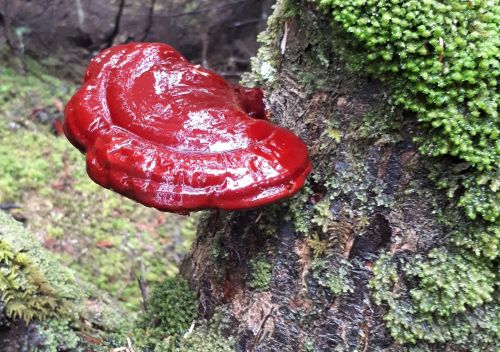
In Traditional Chinese Medicine, mushrooms are valued for more than their nutritional content. Different varieties have distinct properties, flavours, and functions, and are selected according to an individual’s constitution and pattern of imbalance.
Here are some of the better-known medicinal mushrooms and fungi used in Chinese herbal medicine:
- Reishi (Ling Zhi): Translated to “holy mushroom” and often called the mushroom of immortality, reishi is traditionally used to calm the nervous system, support healthy sleep, promote vitality, and support the lungs, heart, and kidneys. It is particularly interesting for people experiencing stress or restlessness.
- Cordyceps (Dong Chong Xia Cao): Traditionally associated with supporting respiratory function and strengthening the body’s underlying vitality, it is often discussed in relation to fatigue, stamina, and recovery.
- Turkey Tail (Yun Zhi): Traditionally used to support the digestive and respiratory systems, it is commonly recommended now for treating cancer.
- Poria (Fu Ling): A medicinal fungus traditionally used to address “Dampness” issues like phlegm, diarrhea, edema, and urinary difficulty, it is also used to calm the nervous system, and it’s a common ingredient in Chinese herbal formulas.
- Polyporus (Zhu Ling): This mushroom is traditionally used to promote urination and support the body’s fluid metabolism.
Not all medicinal mushrooms are intended to be eaten like ordinary food, though some are now popularly found in supplement form or included in “functional food” formats like tea, coffee, and even chocolate (as their bitter taste is easily hidden in these already bitter foods and drinks). Some, such as reishi, turkey tail, poria, and polyporus, are generally used as prepared herbal ingredients or extracts rather than as everyday culinary mushrooms. Cordyceps is also a specialized medicinal ingredient, not the same as an ordinary edible mushroom.
TCM herbs that you can more easily cook include
- Tremella (Bai Mu Er): Also known as snow fungus or snow ear mushroom, tremella is prized for its Yin-nourishing and moistening properties. It is traditionally used to nourish the lungs and stomach and moisturize dryness, including dry skin and dry cough.
- Black Wood Er (Hei Mu Er): This is one of my favourite mushrooms for flavour and texture, and it may support digestive health and help lower LDL cholesterol, but traditionally, it helps stop bleeding.
The Tremella Snow Lotus Beauty Recipe
One recipe attracting attention on social media is the Tremella Snow Lotus dessert, a traditional-style sweet soup promoted for skin hydration, beauty, and healthy aging.
Honestly, I haven’t made this recipe yet, as it doesn’t fit my constitution, but it sounds like a delicious dessert that’s healthy, so read on to find out if it might be a good fit for you.
Tremella (bai mu er) is particularly interesting because of its naturally occurring polysaccharides, which contribute to its characteristic silky, gelatinous texture when simmered. In TCM, it is considered a Yin-nourishing food that helps moisten dryness.
Ingredients (4 Servings)
- Dried tremella (snow fungus): 1 large piece (about 15–20 g)
- Asian pear (or firm apple): 1 large, peeled, cored, and diced or sliced
- Red dates (jujubes): 6–8, rinsed (and pitted or sliced)
- Goji berries (wolfberries): 2 tbsp
- Sweetener: Rock sugar, raw cane sugar, or maple syrup to taste
- Water: 4–6 cups (adjust to preferred broth thickness
Instructions
- Soak the fungus: Place the dried tremella in cold or room-temperature water for 30–60 minutes until expanded and soft.
- Prep ingredients: Trim off the tough, dark yellow base with scissors and tear the white fronds into bite-sized pieces. Rinse the fungus and red dates.
- Simmer: Add the tremella, red dates, pear, and water to a pot. Bring to a boil, then lower the heat to a gentle simmer.
- Cook for texture: Simmer for 20–30 minutes for a slight crunch, or 60–90 minutes for a thick, gelatinous texture. Add extra water if it reduces too much.
- Finish: Stir in your sweetener to taste. Add goji berries during the last 1–2 minutes so they stay plump and do not turn sour.
- Serve and store: Enjoy warm or chilled. Store leftovers in an airtight container in the fridge for 3–4 days
From a TCM perspective, this recipe is intended to nourish Yin and moisten dryness. This may be particularly appealing for someone experiencing dry skin, dryness in the mouth or throat, or other signs of Yin deficiency.
However, Yin-nourishing foods are not necessarily suitable for everyone.
Someone with significant Dampness, Phlegm-Dampness, or Spleen Qi deficiency may not benefit from regularly consuming a rich, moistening dessert. If you tend to experience bloating, loose stools, poor digestion, a heavy sensation in your body, or excessive mucus, this particular recipe may not be your best choice.
In TCM, we look beyond a single symptom. We consider your digestion, energy, sleep, skin, tongue, pulse, and overall pattern. Two people can experience dry skin for entirely different reasons and require very different dietary approaches.
This is where individualized TCM guidance can make a difference. And, if you want to learn more about TCM and food, and find out more about TCM diagnosis, check out my book.
Food as Part of Your Wellness Routine
Mushrooms offer a wonderful way to bring variety, flavour, and nutritional value into your everyday meals. Whether you’re enjoying a simple mushroom stir-fry, preparing a nourishing soup, or exploring traditional ingredients such as tremella and reishi, there are many ways to incorporate these fascinating fungi into your wellness routine.
In TCM, there is no single food or herb that is right for everyone. The goal is to understand what your body needs and choose foods that support your individual balance.
If you’re curious about medicinal mushrooms, Chinese herbs, or whether a particular food therapy recipe is appropriate for you, ask me. I love talking about food, and, of course, I love the TCM approach to wellness.
Explore more nourishing recipes on my clinic blog:
- Black Bean Mushroom Vegetarian Chili in a Slow Cooker (or Instant Pot) Recipe
- Vegetarian Slow Cooker Chilli with Mushrooms
- Grilled Portobello Burgers
Want to know more about mushrooms? Check out my blog, The Fantastic Kingdom of Fungi